Case study · Medical device
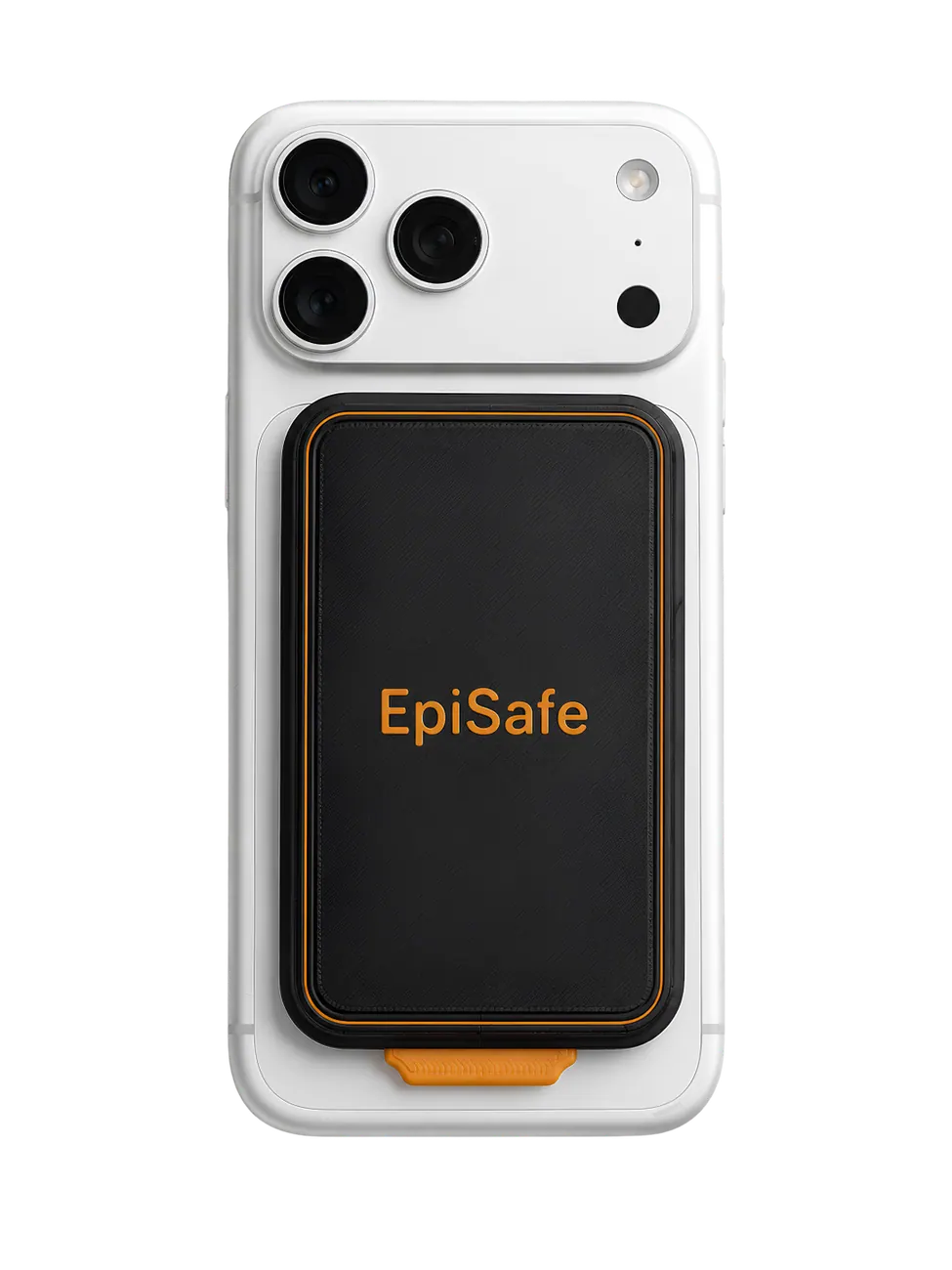
An epinephrine auto-injector thin enough to live in your phone case — built for the 56% of people prescribed an EpiPen who don't carry one.
- Role
- Founder & Product Lead
- Timeline
- May 2025 — Present
- Focus
- Mechanism · Discovery · FDA
- Status
- Patent pending · CAD complete
- 56%
- Of patients don't carry their injector
- 11.4 mm
- Thin enough for a phone case
- 0.3 mg
- Epinephrine dose
- $6.6B
- Auto-injector market
It's carrying it.
Epinephrine is the only thing that stops anaphylaxis, and it only works if it's on you when seconds matter. Yet more than half of people prescribed an auto-injector don't have it when they need it.
The reason is mundane and human: the standard injector is bulky, awkward and easy to leave behind. The device isn't failing in the ER — it's failing in the pocket that stayed home.
EpiSafe's bet is simple. Put the dose where the phone already is. If it lives in the one thing nobody forgets, carry rates change.
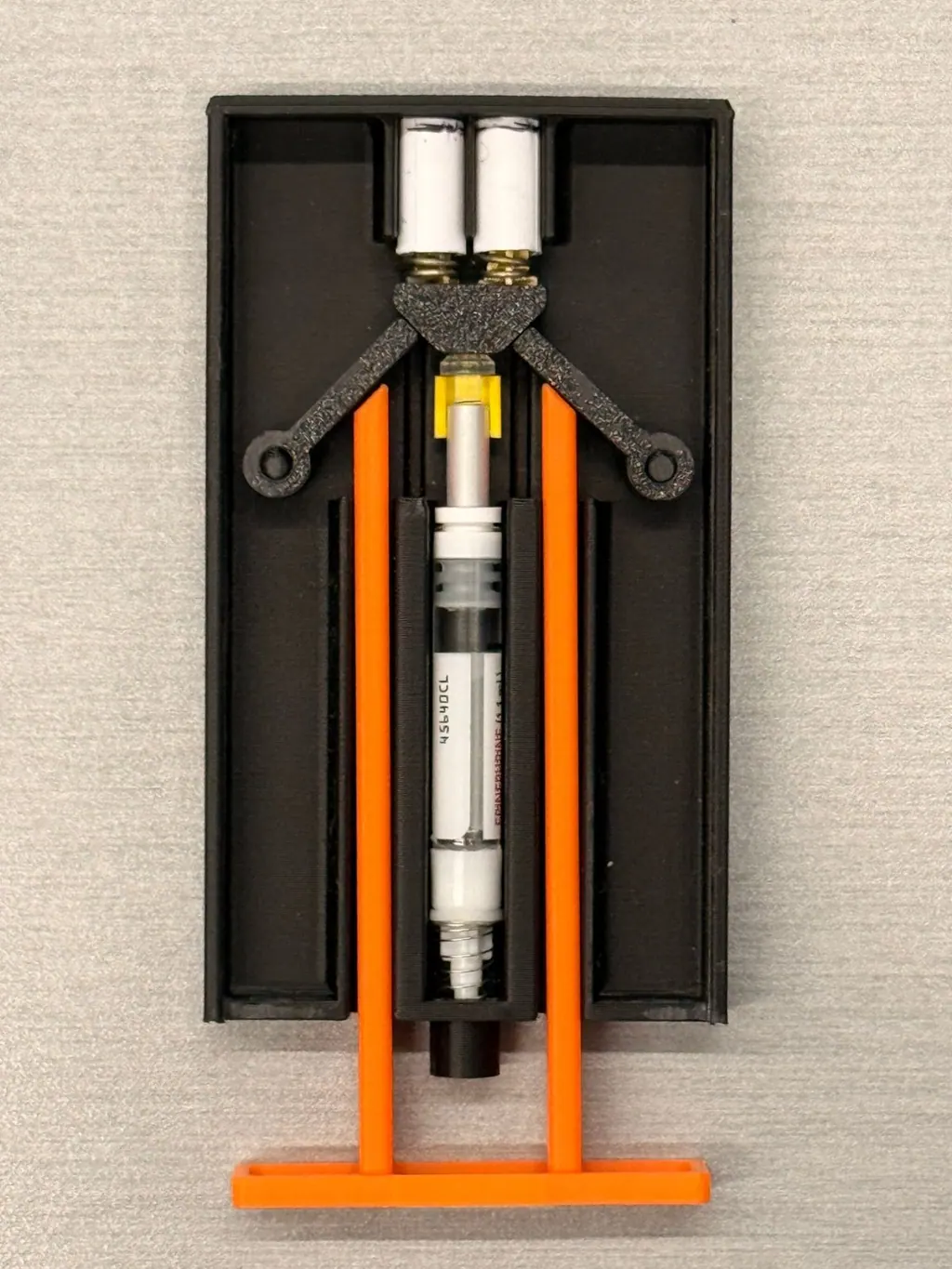
Discovery first. CAD second.
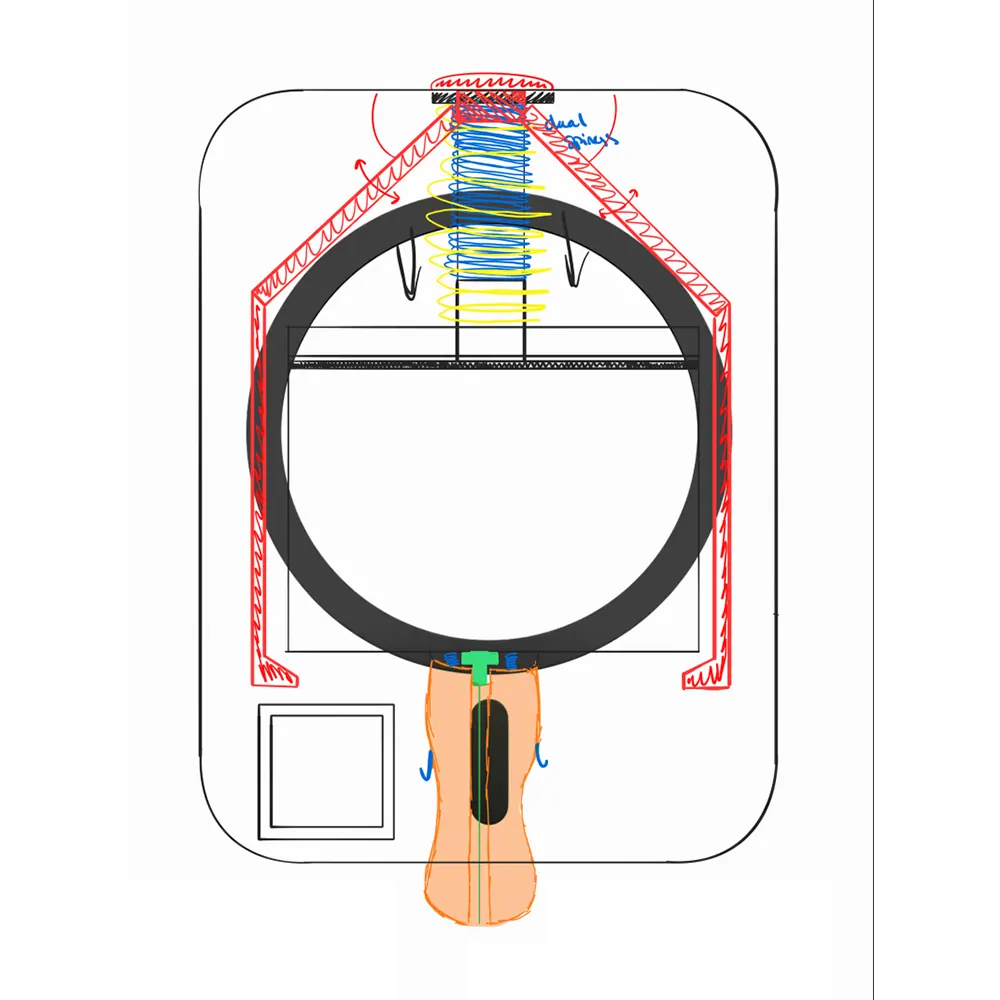
The internal injector was redesigned from scratch to fit a phone-case envelope — spring force, fluid path and needle deployment all reworked to hit dose equivalence in a fraction of the thickness.
CAD is complete and CFD simulations are validating dose delivery against a predicate auto-injector. Provisional patents are filed on both the mechanism and the form factor, and a companion iOS app is on TestFlight for closed beta.
- Mechanism design
- CAD / CFD
- Utility provisional
- Design provisional
- iOS · BLE
EpiSafe mounts to the back of a phone like a thin case insert. In an emergency the user — or a bystander — deploys it with a single action, delivering a 0.3 mg intramuscular dose the same way a conventional auto-injector does.
The companion app handles the parts software is good at: expiry reminders, location, and alerting an emergency contact the moment the device is used. The hardware stays dead-simple; the phone does the thinking.
Every decision is made against one constraint above all others — it has to earn FDA clearance through the 510(k) substantial-equivalence pathway.
2025
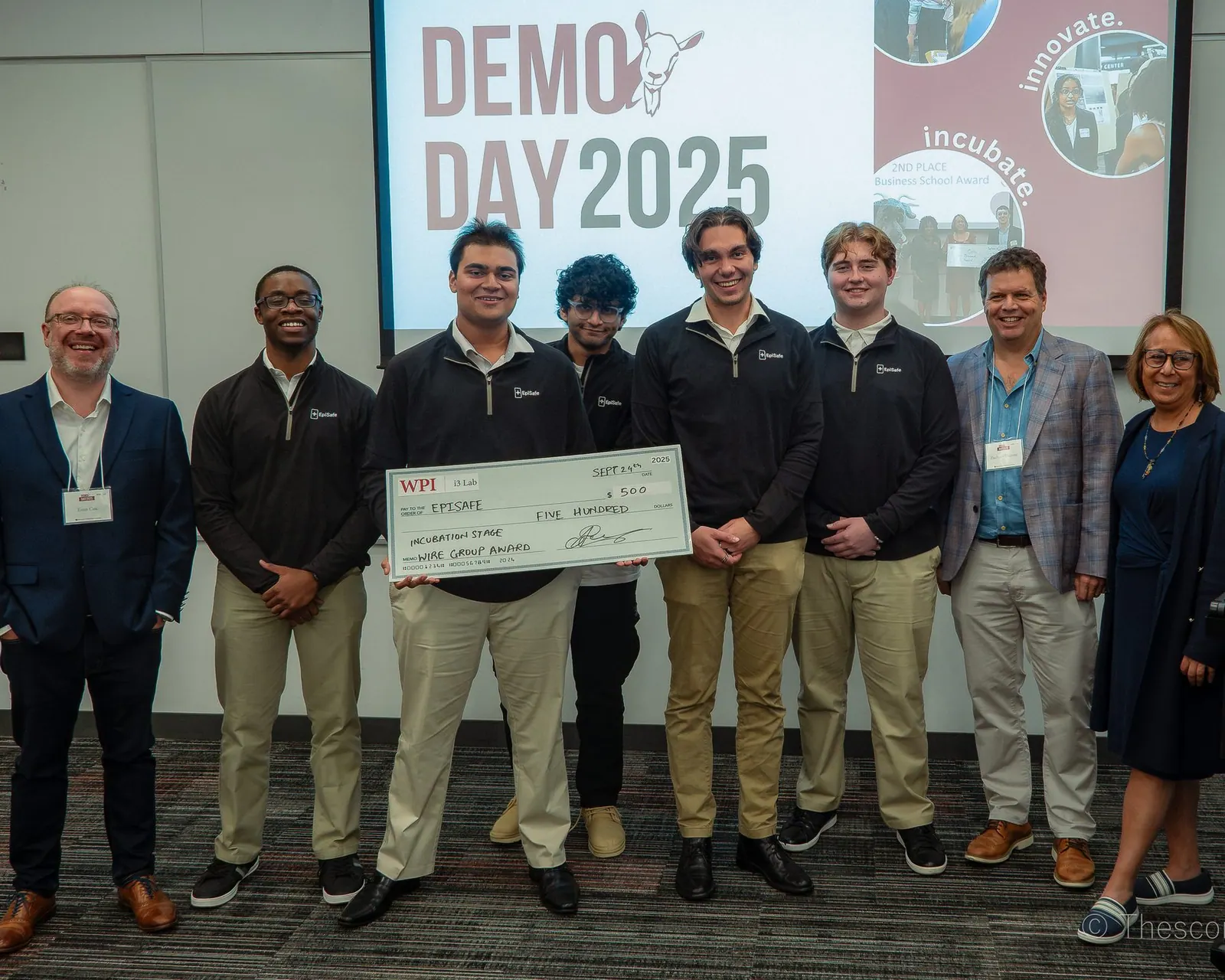
WIRE Group Award · Incubation Stage
$500 funding, selected out of WPI's i3 Lab
2026
Accepted into GISA
Goat Impact Summer Accelerator · WPI's student startup accelerator
2025
Provisional Patent Filed
Mechanism & form factor
Next: bench testing for dose equivalence, a manufacturable industrial design, and an FDA pre-submission targeted for Q4 2026. The north star hasn't moved.